


A Janamaz Buying Guide can help you find a prayer rug that suits your comfort, daily routine, and personal style. Whether you prefer a plush surface, a lightweight design, or a traditional pattern, the right prayer mat should provide enough space for comfortable Salah.
Indian prayer rugs come in different fabrics, textures, sizes, and finishes, giving you plenty of options to compare. Before buying, consider the material, backing, thickness, and cleaning requirements. These details matter when choosing a comfortable prayer rug for your home or travel. Explore the Rug Studio Janamaz collection to discover Janamaz carpets and find a style that fits your prayer space.
1. What Is a Janamaz (Prayer Rug) and Why Is It Important?
A Janamaz is a personal mat used by many Muslims during Salah, also called Namaz. It provides a clean, defined surface for prayer at home, in a Mosque, or in a Masjid. In different communities, people may call it a prayer rug, prayer mat, Musalla, or Sajjadah. The name can change, but the purpose remains familiar: providing a suitable surface for worship.
During prayer, a person moves through standing, bowing, and prostration. These positions include Ruku and Sujood. A suitable rug should give enough space for these movements and remain comfortable against the floor. Many people keep one in a quiet corner at home. Others carry a compact mat to work or when travelling. A dedicated prayer rug can help create a familiar prayer space, although Islamic prayer does not require a special decorative rug when another clean surface is available.
What Does Janamaz Mean?
The word Janamaz is widely used in South Asian languages for a Muslim prayer mat. In the USA, shoppers may find the same product listed as a prayer rug, Islamic prayer mat, or Muslim prayer mat. The term Sajjadah is also used in many Muslim communities. When shopping online, searching with several of these names can help you find more styles and materials.
Why Is a Prayer Rug Used During Salah?
A prayer rug gives you a defined place to pray. It can be especially useful when the floor feels cold, hard, or dusty. The rug should allow you to place your hands, knees, and forehead comfortably during Sujood. Some designs include a Mihrab, an arch-shaped pattern that traditionally points towards the direction of prayer. However, the printed design itself does not determine the correct Qibla direction. You should establish that direction separately.
Is a Janamaz Different from a Regular Area Rug?
A Janamaz usually has dimensions suited to one person. It is also easier to roll, fold, carry, and store than a large area rug. A regular rug can provide a clean prayer surface too, provided it is suitable for the purpose. The main difference is practical. A personal prayer mat is designed around individual use, while an area rug usually covers a larger part of a room.
| Feature | Janamaz prayer rug | Regular area rug |
|---|---|---|
| Main use | Individual prayer | Room decoration and floor covering |
| Size | Usually made for one person | Available in many room sizes |
| Portability | Often easy to roll or fold | Depends on size and weight |
| Design | May include a Mihrab or prayer motifs | Wide range of decorative patterns |
| Storage | Can fit in a cupboard or bag | Often needs more storage space |
2. Different Types of Janamaz Based on Material
Material affects how a prayer rug feels, how much care it needs, and how it performs with regular use. Some buyers prefer a plush surface, while others want a light mat that they can wash or carry easily. Understanding prayer rug materials before buying can prevent disappointment. Product photographs may show the colour and pattern, but they rarely tell you everything about the fabric, backing, or construction.
A Janamaz Buying Guide should therefore look beyond appearance. Check the fibre content, surface, thickness, and care instructions together. A soft rug may not have much cushioning, and a thick rug may not provide the stable feel you prefer. The following materials have different qualities, so compare them against your own needs and the floor where you plan to pray.

Velvet Janamaz
A Velvet Janamaz has a soft, plush surface that many buyers enjoy. Its smooth appearance can also bring depth to rich colours and detailed patterns. The feel depends on the fibre, weave, and density of the Velvet pile. Some rugs use synthetic fibres, while others may contain different blends. Check the product description rather than assuming every velvet rug has the same construction.
Cotton Janamaz
A Cotton Janamaz is often a practical choice for people who prefer a lighter surface. Pure cotton can feel breathable and comfortable in warm indoor settings. Cotton rugs may also be easier to maintain, but machine washing depends on the dye, weave, backing, and care label. Check these details before placing the mat in a washing machine.
Wool Janamaz
A Wool Janamaz can feel warm and substantial underfoot. Natural wool fibres have a distinctive texture and can recover from pressure better than some other fibres. However, wool rugs need suitable care. Water, heat, and strong cleaning products may damage certain constructions. Ask the seller whether the rug is woven, tufted, or made using another method.
Foam-Backed and Padded Janamaz
A Foam-backed prayer mat has a cushioning layer beneath its surface fabric. The added Foam padding may feel helpful on tile, stone, or hardwood floors. A Padded prayer mat can provide a softer place for your knees and forehead, but thickness alone does not guarantee comfort. The surface should still feel stable when you stand, bow, and move between prayer positions.
Silk-Embroidered and Decorative Janamaz
A Silk-embroidered Janamaz often features detailed patterns and decorative stitching. Silk embroidery can give a rug a refined finish, making it a thoughtful gift for Ramadan, Eid, or a family occasion. Before buying, check whether the product uses pure silk, synthetic thread, or a blend. Also review its cleaning instructions because embroidery may need specialist care.
Which Janamaz Material Is Best for Your Needs?
There is no single material that suits everyone. Your choice depends on the surface you pray on, the texture you enjoy, and how much time you want to spend on maintenance. A cotton rug may suit someone who values light weight, while a velvet rug may appeal to someone who prefers a plush finish.
| Material | Feel | Practical consideration | Suitable use |
|---|---|---|---|
| Velvet | Soft and plush | Check pile and backing | Home prayer |
| Cotton | Light and breathable | Check washing instructions | Everyday use and travel |
| Wool | Warm and substantial | May need specialist cleaning | Regular indoor use |
| Foam-backed | Cushioned | Check compression and stability | Hard floors |
| Silk-embroidered | Decorative and textured | Requires careful handling | Gifts and special occasions |
3. How to Choose the Right Janamaz for Comfort and Daily Use
Comfort depends on more than the fabric you touch. The backing, thickness, surface construction, and floor beneath the rug all affect how it feels. A Soft prayer mat may suit someone who likes a plush surface, while another person may prefer a firmer comfortable prayer rug with less cushioning. Think about your daily routine before choosing a style.
Consider where you will use the rug most often. A mat placed on a carpeted bedroom floor may not need extra padding. The same rug could feel quite different on polished tile. Look closely at the product specifications and ask the seller for details that are missing. This Janamaz Buying Guide recommends comparing the whole construction rather than judging a rug by its photograph.
Softness, Thickness, and Cushioning
Softness describes how the surface feels against your skin. Thickness describes the overall depth of the rug, while Cushioning refers to how much the layers compress under pressure. These qualities are related, but they are not the same. A dense, short-pile rug may feel firm, while a padded mat may compress more when you kneel. Choose the feel that suits your preference and floor type.
Pile Height and Surface Texture
Pile height refers to the length of the fibres that rise above the rug's base. A low pile usually creates a flatter surface and may be easier to clean. A deeper pile can feel softer, although it may hold more dust. The Surface texture also changes with fibre type and density. Ask for close-up photographs if the product page does not show these details clearly.
Non-Slip Backing and Floor Grip
A Non-slip prayer mat can help reduce unwanted movement on smooth floors. Some products use Rubberised backing, while others have a Latex-dotted backing or another grip layer. Check whether the material suits your floor, especially if you have hardwood or polished stone. If the rug does not include a grip layer, a separate rug pad may help, provided it is compatible with your flooring.

Pile Direction and Prayer Rug Construction
Some velvet and wool rugs have a visible Pile direction. The fibres may look lighter or darker depending on the direction in which you brush them. This can affect the rug's appearance and the way its surface feels. If the product has a directional pile, ask the seller how to position and clean it. A Mihrab pattern may help identify the intended top of the design, but it should not replace checking the actual Qibla direction.
Choosing a Prayer Rug for Different Needs
A person praying at home may value a soft surface and a suitable size. Someone who travels often may prefer Lightweight construction and a mat that folds into a small bag. Older adults may want extra cushioning, although the mat should not slide or feel unstable. Families buying for children may prefer a smaller design that is easy to clean and store.
4. Standard Janamaz Sizes: Which Size Should You Choose?
The right size gives you enough room to move through each prayer position without constantly adjusting the rug. A Prayer mat for adults should provide sufficient length for standing and prostration. However, there is no single worldwide standard followed by every manufacturer. Dimensions can vary between Indian retailers and international brands, so check the actual measurements before ordering.
US shoppers should pay attention to both inches and centimetres when comparing Indian products. A listing may show measurements only in centimetres, while your home measurements are more familiar in inches. Check the length, width, and product photographs together. If you are tall or prefer more space, a Large Janamaz may be a better fit than a compact standard mat.
Standard Adult Prayer Rug Size
Many personal prayer rugs fall within a similar size range, but the exact measurements depend on the maker. A product labelled standard may not fit every adult equally well. Check whether the rug gives you enough room for standing, bowing, and prostration. If the retailer provides only a product name without measurements, ask for the exact length and width before buying.
Large and Extra-Large Janamaz
A larger rug may suit taller adults or anyone who prefers more room around the prayer area. It can also be useful when you want a wider surface at home. However, a larger mat may weigh more and take up extra storage space. Compare its dimensions with the place where you intend to use and store it.
Kids' Prayer Mats
Children may find a smaller mat easier to handle. A child-sized design can also help them take part in family prayer routines. Look for a light surface, manageable dimensions, and care instructions that suit frequent use. Avoid choosing a mat based only on age labels. Children grow at different rates, so checking the actual measurements remains useful.
Travel-Friendly and Foldable Prayer Mats
A Travel prayer mat is designed for people who need a portable prayer surface. It may fold or roll into a compact shape and fit inside a backpack or suitcase. For US buyers, this can be useful during road trips, flights, workdays, and visits. Check the packed size and weight, as well as whether the product comes with a storage pouch.
How to Measure for the Right Prayer Rug
Measure the space where you plan to pray and compare it with the product's full dimensions. Think about your height and the room needed for your movements. The following table converts sample measurements from centimetres into inches. These are conversion examples, not a claim that every manufacturer uses these sizes.
| Example dimension | Approximate measurement in inches |
|---|---|
| 60 × 100 cm | 23.6 × 39.4 in |
| 70 × 110 cm | 27.6 × 43.3 in |
| 90 × 120 cm | 35.4 × 47.2 in |
| 45 × 75 cm | 17.7 × 29.5 in |
5. Janamaz Designs, Colours and Patterns to Consider
Prayer rugs come in many styles, from simple solid colours to detailed traditional patterns. Some feature a Mihrab arch, while others use geometric borders, floral details, or mosque-inspired imagery. Your choice can reflect your taste and the look of your prayer space. A design should also be practical. Very deep textures and raised decoration may need more careful cleaning than a flat surface.
Think about where you will keep the rug when it is not in use. A rich patterned design may suit a dedicated prayer corner, while a plain mat may fit easily into a shared room. If you are buying a rug as a gift, consider the recipient's preferred colours and style. Product photographs can help, but colours may appear different under home lighting or on different screens.
Traditional Mihrab and Islamic Geometric Designs
Traditional prayer rugs often feature an arch-shaped Mihrab design. The pattern may include geometric borders, floral motifs, or repeated shapes. Some designs take inspiration from historic mosque architecture and regional textile traditions. These details give each rug a distinct appearance, but the exact pattern and its meaning can vary. Choose a design because you appreciate its look and construction.
Kaaba and Mosque-Inspired Janamaz Designs
Some rugs feature images inspired by the Kaaba, mosque domes, arches, or well-known Islamic architecture. These designs may appeal to buyers who prefer a recognisable religious theme. Check the printed or embroidered details in close-up photographs. Also consider the quality of the surface and stitching, since decorative artwork should not distract from the rug's practical use.
Plain and Minimal Prayer Rugs
Plain designs suit people who prefer a quieter look. A solid colour or a simple border can fit into many home interiors. These rugs may also be easier to coordinate with a dedicated prayer area. If you prefer a minimal style, compare the surface texture and edge finishing carefully. A simple design still deserves sound construction.

Popular Janamaz Colours
Green, blue, maroon, beige, cream, black, and gold are common choices across prayer rug collections. The best colour is a matter of personal taste. Darker shades may make some marks less visible, while lighter shades can show dust more easily. Colour appearance also depends on the fibre, dye, lighting, and screen settings. If an exact shade matters, ask the seller for additional photographs.
How to Choose a Design for Your Home
Consider the colours and materials already present in your room. A rug with a strong pattern can become the main feature of a prayer corner, while a neutral design can blend into the space. Think about storage too. If you plan to roll the rug after every prayer, check that its decorative details can handle regular handling without damage.
6. Janamaz Price in India: What Affects the Cost?
The Prayer mat price in India can vary widely because prayer rugs differ in material, size, construction, and finishing. A simple woven mat may cost less than a dense velvet rug or a piece with detailed embroidery. Handmade work can also affect the final price because it may require more time and specialist skill. Comparing products by price alone can therefore give an incomplete picture.
For buyers in the United States, the listed Indian price is only one part of the total cost. Currency conversion, international shipping, customs duties, taxes, and carrier fees may affect what you finally pay. Before placing an order, check the checkout total and the retailer's shipping terms. A low product price may not remain the lowest option once delivery costs are included.
Budget-Friendly Janamaz Options
Budget-friendly rugs may use simpler fabrics, lighter construction, or printed designs. They can suit buyers who want a basic prayer surface without decorative extras. Still, check the seams, edges, backing, and material details. A low price does not tell you how the rug will feel or how well it will hold up. Look for clear specifications and honest product photographs.
Mid-Range Prayer Rugs
Mid-range products may include a denser surface, more detailed patterns, improved finishing, or added cushioning. The exact features depend on the retailer and product. Compare the fibre content and backing before deciding whether the higher price makes sense. A well-made simple rug may suit your needs better than a more decorative product with unclear specifications.
Premium and Handmade Janamaz
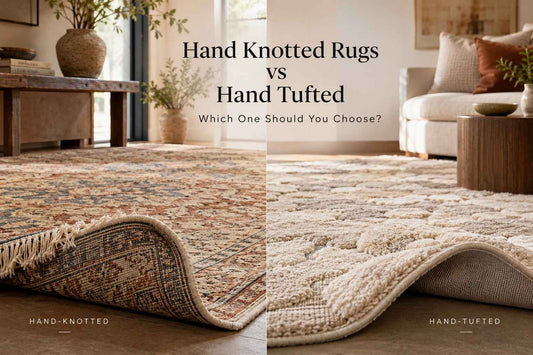
Premium rugs may include wool, elaborate embroidery, detailed weaving, or specialist finishing. Some Handmade prayer rugs require skilled labour and more production time than machine-made alternatives. However, the word handmade can describe different techniques. Ask whether the rug is hand-knotted, hand-tufted, embroidered by hand, or made using another process. These details help explain the price more clearly.
Factors That Affect Janamaz Prices
| Price factor | Why it matters |
|---|---|
| Material | Different fibres have different costs and qualities |
| Size | Larger rugs use more material |
| Construction | Handwork and specialised production may take longer |
| Design | Detailed patterns and embroidery can add labour |
| Backing | Additional grip or cushioning layers affect construction |
| Finishing | Edge work and final detailing can change the cost |
What US Buyers Should Know About Currency and Import Costs
Indian retailers may list prices in Indian rupees, while US shoppers usually plan purchases in dollars. Your bank or payment provider may use its own exchange rate and may charge a foreign transaction fee. International orders can also involve import duties, taxes, or courier handling charges. These depend on the shipment and the rules that apply when it enters the United States. Check current information with the retailer, carrier, and relevant US government sources before ordering.
7. How to Buy Janamaz Online in India: A Complete Checklist
Janamaz online shopping gives US buyers access to Indian designs and materials that may not be available in nearby stores. You can compare colours, sizes, and construction from home. However, an online photograph cannot show every detail. Read the full product description and look for close-up images of the pile, edges, stitching, and backing. If something important is missing, contact the retailer before paying.
Buying from another country also requires a little more planning. Confirm that the seller ships to your US address and check the delivery estimate. Review the return policy, payment methods, and possible import charges. This Janamaz Buying Guide recommends checking the complete delivered cost rather than comparing the listed product price alone. That way, you know what to expect before the package leaves India.
Check the Material and Product Specifications
Start with the fibre content and construction details. Look for the face material, backing, thickness, and any added cushioning. If the listing says velvet, check whether it identifies the fibre blend. If it says wool or silk, look for clear material information. A trustworthy product description should explain what you are buying rather than relying on broad labels.
Verify Size, Weight, and Product Photographs
Check the dimensions in both centimetres and inches. Review photographs that show the full rug and close-up views of the surface and backing. If portability matters, ask for the packed weight and folded dimensions. A product may look compact in a photograph but take up more room than expected in a suitcase.
Research the Seller and Product Reviews
Look for clear business information, contact details, and customer feedback. Reviews can help you understand how the rug feels, whether its colour matches the photographs, and how the seller handles delivery. Pay attention to detailed comments rather than relying only on star ratings. If a seller makes claims about origin or craftsmanship, check whether the product page explains those claims.
Understand International Shipping to the USA
Before ordering, confirm that the retailer delivers to your state and ZIP code. Check the shipping fee, estimated transit time, tracking arrangements, and courier service. Ask whether duties and taxes are collected at checkout or may be charged when the parcel arrives. Delivery estimates can change because of customs processing or carrier delays, so avoid treating them as guaranteed dates.
Review Returns, Refunds, and Payment Security
International returns can cost more and take longer than domestic returns. Read the policy before ordering, especially if the rug is customised or made to order. Check who pays return shipping and how refunds are processed. Use a payment method that provides clear transaction records. Keep the order confirmation and product description until the rug arrives.
Why Consider a Janamaz Made in Bhadohi, India?
Bhadohi, in Uttar Pradesh, is widely associated with India's carpet industry. The region has a recognised history of Carpet manufacturing, Carpet weaving, and skilled textile work. Some retailers source rugs through local makers and production networks. However, not every Indian prayer rug comes from Bhadohi, and not every product uses the same technique.
When a retailer mentions Artisan craftsmanship or Factory-direct sourcing, ask what those terms mean for the specific rug. Does the maker use handwork? Which part of the construction is completed by artisans? Is the product hand-tufted or machine-made? A clear answer is more useful than a broad origin claim. If a product is described as a Hand-tufted rug, check that the construction details support the description.
Final Online Buying Checklist
| What to check | Why it matters |
|---|---|
| Material and fibre content | Confirms what the rug is made from |
| Size in inches and centimetres | Helps prevent measurement mistakes |
| Surface and backing | Shows how the rug may feel and grip |
| Care instructions | Helps you avoid cleaning damage |
| Shipping to the USA | Confirms delivery is available |
| Duties and taxes | Helps estimate the final cost |
| Returns and refunds | Explains your options if there is a problem |
| Seller contact details | Gives you a way to ask questions |
8. How to Clean and Care for Your Janamaz
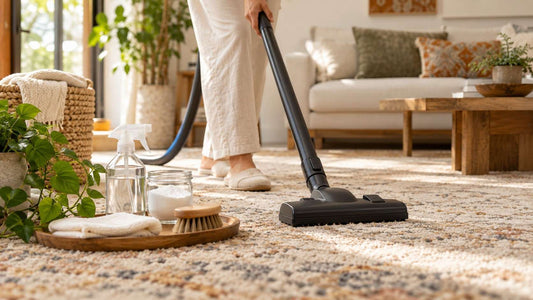
Regular care helps keep a prayer rug clean and pleasant to use. Dust, loose fibres, and everyday marks can collect on the surface, especially when you use the mat several times a day. The right cleaning method depends on the material and construction. A cotton mat may have different care needs from a wool rug or a velvet mat with a rubber backing.
Always check the manufacturer's instructions before washing or applying a cleaning product. Do not assume that every rug made from the same material can be cleaned in the same way. The backing, dye, adhesive, and decorative details also matter. Gentle care can help maintain the rug's appearance and Durability while reducing the risk of shrinkage, colour changes, or surface damage.
Regular Dust Removal and Everyday Care
Shake out loose dust when the rug's construction allows it. You can also use a vacuum on a suitable setting if the care instructions permit it. Avoid strong suction or a rotating brush on delicate surfaces. If you use the rug daily, keep the surrounding prayer area clean and allow the mat to air between uses when needed.

How to Clean Velvet Janamaz
Velvet surfaces can lose their appearance if you scrub them too hard. For a small spill, follow the care label and test any suitable cleaning method on an inconspicuous area first. Blot gently rather than rubbing the pile. Some velvet rugs need professional cleaning, especially when they have delicate backing or decorative details.
How to Wash Cotton and Synthetic Prayer Mats
Some cotton and synthetic mats can go into a washing machine, but others cannot. Check the label for water temperature, cycle, and detergent instructions. A gentle cycle may be suitable for certain products, while others need hand washing. Polyester fabric can have different care needs depending on its weave, dye, and backing. Never rely on fibre type alone.
How to Care for Wool and Silk-Embroidered Janamaz
Wool and embroidered rugs may need more careful handling. Strong detergents, hot water, and rough scrubbing can damage fibres or decorative stitching. Some products require specialist cleaning. If the rug includes Silk embroidery, ask the seller for specific care advice before attempting to wash it at home.
Proper Drying and Storage
Let the rug dry fully before rolling or storing it. Trapped moisture can lead to an unpleasant smell and may affect some backing materials. Keep the mat in a clean, dry place away from prolonged direct sunlight. Follow the maker's instructions for folding or rolling. These simple steps can help protect the rug's shape and Colour retention.
| Material | Care approach | What to avoid |
|---|---|---|
| Velvet | Follow the label; use gentle spot care | Hard scrubbing |
| Cotton | Wash only if the label permits | High heat without approval |
| Wool | Use approved specialist care where required | Hot water and harsh chemicals |
| Foam-backed | Follow backing-specific instructions | Aggressive washing or heat |
| Silk-embroidered | Follow specialist cleaning advice | Rough handling and unsuitable detergents |
9. Frequently Asked Questions About Janamaz
Choosing a prayer rug often raises practical questions about material, size, cleaning, and online orders. The answers below cover common concerns for buyers in the United States who are comparing Indian prayer rugs. Always check the specifications of the individual product because materials and construction can vary between retailers.
A useful rule is to look for clear product information before making a decision. Check the dimensions, fibre content, backing, care label, and delivery terms. If a listing leaves out a detail that matters to you, ask the seller. A quick question before purchase can prevent an expensive mistake later.
What Is the Best Material for a Janamaz?
The best material depends on your preferences and how you use the rug. Velvet may suit someone who likes a plush surface, while cotton may appeal to buyers who want a lighter mat. Wool offers a different texture and may need more careful cleaning. Compare the fabric, backing, and care instructions rather than choosing by material name alone.
What Is the Standard Size of a Janamaz?
Prayer rug dimensions vary by manufacturer. Many adult mats are designed for individual use, but the exact length and width differ. Check the measurements in inches and centimetres before ordering. Taller adults or people who prefer more space may want to compare larger options.
Is Velvet a Good Material for a Prayer Rug?
Velvet can provide a soft surface and a rich appearance. Its feel depends on pile density, fibre content, and backing. Check whether the rug has a stable base and clear cleaning instructions. A velvet surface may need more careful handling than a simple flat-weave mat.
Can You Machine Wash a Janamaz?
Some cotton and synthetic prayer mats are machine washable, while others need hand washing or professional cleaning. Velvet, wool, foam-backed, and embroidered products can have specific restrictions. Read the care label before washing. If the retailer does not provide instructions, ask before using water or detergent.
Which Prayer Rug Is Best for Hard Floors?
A padded rug may feel softer on tile, stone, or hardwood. However, it should remain stable during standing and movement. Check the backing and consider a compatible rug gripper if the mat slides. The right choice depends on the floor surface and the level of cushioning you prefer.
Is a Non-Slip Prayer Mat Necessary?
A non-slip surface can help reduce movement on smooth floors. This may be useful on polished tile, hardwood, or stone. Look for a suitable grip layer or use a compatible rug pad. Make sure the backing does not damage or mark your flooring.
Can You Use a Janamaz While Travelling?
Yes. A compact Travel prayer mat can be useful for work, road trips, and holidays. Look for a lightweight design that folds or rolls easily. Check its packed dimensions and whether it comes with a storage pouch.
How Long Does a Quality Prayer Rug Last?
There is no fixed lifespan for every prayer rug. Fibre quality, construction, frequency of use, cleaning, and storage all affect how long it remains in good condition. Follow the care instructions and check the surface and backing from time to time. A well-maintained rug may remain usable for many years, but the exact period varies.
Can I Buy a Janamaz from India and Have It Shipped to the USA?
Some Indian retailers ship internationally, but delivery options vary. Confirm that the seller accepts your US address and check the shipping fee, tracking, estimated delivery time, and return terms. Also ask whether customs duties and taxes are included in the checkout price or collected separately.
What Is the Difference Between Janamaz, Musalla, and Sajjadah?
These words are used for prayer mats in different languages and Muslim communities. Janamaz is common in South Asian usage, while Sajjadah and Musalla are also familiar terms. Usage can vary by region and language. When shopping online, searching with several terms may help you find a wider range of products.
Conclusion: Choose a Janamaz That Fits Your Prayer Routine
The right prayer rug should suit your space, comfort preferences, and daily routine. Start by checking the material and size. Then look at the pile, backing, cushioning, and care instructions. A decorative pattern may catch your eye, but the construction details will tell you more about how the rug may perform over time.
For buyers in the United States, ordering from India also means checking shipping, currency conversion, possible import charges, and return conditions. Read the full product description and ask questions when information is missing. A little care before checkout can make the buying process easier.
If you are comparing Indian prayer rugs, explore the available Janamaz collection at Rug Studio. Check each product's material, measurements, photographs, and care details before choosing the one that suits your prayer space.
Tags:
Related articles

-
Oct 03 2026